
Ideal weight: how weight and health are related
So, what is the difference between ideal weight and normal weight? How do you calculate your ideal weight? What is the normal waist circumference for women and men? Discover tips to help you achieve your ideal weight.
Overview of topics
What is meant by ideal weight?
Many people understand “ideal weight” to mean the same as “normal weight”. But that’s not quite right. So, what is the difference between ideal weight and normal weight? Ideal body weight, also known as optimal weight, refers to a personal desired weight or target weight. It differs from person to person and is often influenced by aesthetic ideas. “Normal weight”, on the other hand, is a medical term. Specialists determine your normal weight using the Body Mass Index (BMI) and characteristics, such as waist circumference, body fat percentage or waist-to-hip ratio (WHR).
When it comes to ideal weight, there’s no uniform definition. Society often influences our idea of our ideal weight or our self-image. As a result, healthy people of normal weight often strive for a slimmer or more muscular body. On the other hand, some people are comfortable with being overweight and consider this weight to be their ideal weight.
A healthy body weight supports the heart, circulation and metabolism and reduces the risk of chronic illness. Various methods help you to classify your own weight, such as BMI, waist circumference, WHR or body fat percentage. They show whether there’s a risk of health problems. If you want to improve your weight, you need to get regular exercise and eat a balanced diet. It’s important to note that special guidelines and recommendations apply to children, older people and pregnant women.
Determining your ideal weight
There are several ways to determine the ideal weight of adults. Many people use BMI, WHR or waist circumference as guidance.
Calculate your BMI
The BMI determines your normal weight based on your weight and height and assigns it to a weight category – underweight, normal weight, overweight and obese.
How do you calculate your BMI? Divide your body weight (in kilograms) by the square of your height (in metres):
BMI = body weight in kilograms / (height in metres)2
You’re best off using a BMI calculator to determine and classify your BMI.
Good to know: the BMI provides you with an initial guide when you want to determine your ideal weight. However, it’s only of limited value when it comes to assessing your health: the BMI only compares body weight in relation to height and says nothing about the proportion of body fat and muscle. According to the BMI, for example, athletes with high muscle mass and a low body fat percentage are often overweight. Talk to your doctor if you want to know whether your body weight is healthy or if you are underweight or overweight according to your BMI. They will determine your body fat percentage, take other important criteria, such as age and gender into account and, if necessary, support you in achieving a healthy body weight.
An advanced form of the BMI – the Smart Body Mass Index – determines ideal weight by height, age and gender. It’s suitable for determining the ideal age-specific weight for women or men. However, like the BMI, the Smart Body Mass Index does not take into account your build or the ratio of fat to muscle mass. This is where bioelectrical impedance analysis (BIA) comes in. Amongst other things, it determines the body’s lean mass (muscles, bones and body water) and fat and fat-free mass and provides information on the distribution of body water – all characteristics that are important for assessing your health.
Measuring WHR
“WHR” stands for “waist-to-hip ratio” and describes the ratio of your waist circumference to your hip circumference. The value shows roughly how your body fat is distributed – an important piece of information about your health, because people store fat in different patterns. Depending on the pattern, the risk of certain illnesses, such as cardiovascular disease or Type 2 diabetes may increase. Abdominal fat is particularly critical: it surrounds the organs in the abdominal cavity and is metabolically active. It produces inflammatory messengers and hormones. These increase the risk of chronic illness.
You can easily calculate your WHR using this formula:
WHR = waist circumference in centimetres / hip circumferences in centimetres
For example, if your waist circumference is 72 centimetres and your hip circumference is 97 centimetres, your WHR will be around 0.74. In general, the higher the WHR, the greater the proportion of abdominal fat in the body. A high WHR therefore indicates an increased health risk. According to the World Health Organisation (WHO), a WHR of less than 0.9 is ideal for men and less than 0.85 is ideal for women.
Determining your waist circumference
Your waist circumference helps you assess your risk of certain diseases such as heart disease or diabetes. This also gives you an idea of your ideal weight. Measure your waist circumference approximately around the height of your belly button.
But what is the normal waist circumference?
- A healthy waist circumference in women is less than 80 centimetres.
- For men, a healthy waist circumference is less than 94 centimetres.
As a general rule, your waist circumference should ideally be less than half your height. For example, if you are 1.70 metres tall, your waist circumference should not exceed 85 centimetres. A circumference of 102 centimetres in men and 88 centimetres in women is associated with a higher risk of cardiovascular disorders and diabetes.
For children, specialists calculate the normal weight using what are known as percentiles. These show how the weight of a child develops compared to children of the same gender and age. If a child is in the 50th percentile, their weight is average for their age group: 50% of children of the same age weigh less and 50% more. In our article “Weight and children” you can find more information about how specialists determine and interpret percentiles. In general,
- under the 10th percentile: underweight
- between the 10th and the 90th percentile: normal weight
- above the 90th percentile: overweight/obese
For children, it also makes sense to consider the average weight and height together. A “weight-per-height” curve shows whether the weight is appropriate for the height. Since children grow, this method is better suited to them than the traditional BMI.
Achieving your ideal weight: tips
Various methods can help you achieve your ideal weight – depending on whether you want to gain or lose weight to achieve your ideal weight.
Gaining weight to achieve your ideal weight
If you want to gain weight, the following tips may help:
- Keep a food diary for a week. Make a note of how many calories you consume on average each day. Increase this amount by about 500 calories a day. Make sure you eat healthy, high-calorie foods such as nuts, pulses, dried fruits, olives, wholemeal bread and whole milk yoghurt.
- Consume more calories with your main meals in the morning, at lunchtime and in the evening. You can do this by eating larger portions or higher-calorie foods. Alternatively, incorporate several snacks into your daily routine.
- Choose foods with a higher calorie density. However, you should always opt for healthy foods.
- Make sure you get enough protein. The federal government recommends 0.8 grams of protein per kilogram of body weight per day for all healthy adults under the age of 65, regardless of gender. For a body weight of 65 kilograms, this equates to around 52 grams of protein per day. Older people are at higher risk of illness and malnutrition. A sufficient protein intake is therefore particularly important for them. To prevent the loss of muscle mass, a protein intake of at least 1 gram per kilogram of body weight per day is recommended for healthy older people.
Losing weight to achieve your ideal weight
If you want to lose weight, a balanced diet and sufficient exercise are essential. It’s best to talk to a nutritionist, doctor, naturopath or traditional Chinese medicine (TCM) therapist about this. They will work with you to create a personal plan. The following tips may also help you to achieve your ideal weight:
- Make sure you eat a varied and balanced diet. The best way to do this is to use the Swiss food pyramid as guidance.
- Prepare your own food and opt for fresh and healthy ingredients. Avoid ready meals as these are often high in calories and contain hidden sugar. They also provide hardly any nutrients.
- Take time to eat. Avoid your smartphone, TV and so on. This will allow you to concentrate on your meal and consciously notice when you’re full.
- Integrate exercise into your daily life. Walk short distances instead of taking the car. You should also take the stairs over the lift.
- Record your achievements. Regularly write down how much weight you’ve already lost. That will motivate you. But don’t weigh yourself too often – once a week is enough.
As we age, our metabolism slows down. The growth phase is over, and the body now concentrates on maintaining the existing muscle and body mass – this requires less energy. As a result, many people gain weight as they age. But is that bad? Not necessarily: a slightly higher BMI – around 25 to 27 – is even associated with a better prognosis for health and survival in older people. It protects them against osteoporosis and reduces the risk of complaints caused by being underweight. Those who have a few more reserves are also better able to cope with illness. Conversely, older people with a BMI below 22 are at risk of malnutrition.
The BMI serves only as a guide. For older people, it’s more important to observe weight changes, which may indicate a change in their state of health. Unexplained, prolonged weight loss, for example, may indicate undernourishment or malnutrition. Sudden or significant weight gain is also a risk in some cases – even if the BMI is still in the normal weight range.
Ideal weight thanks to nutritional counselling
It can sometimes be difficult to change your habits. Take your time and talk to specialists who can support you. We are happy to help.
If your doctor prescribes nutrition counselling, we cover the costs under basic insurance – provided that the counselling is provided by a recognised specialist for nutrition counselling or in a hospital and the legal requirements are met. The usual conditions also apply: costs are covered minus the annual deductible and excess.
Under the SANA and COMPLETA supplementary insurance policies, we also pay a cost contribution of 75% up to a maximum of CHF 200 per calendar year for “courses on nutrition, relaxation and exercise, and offers from Helsana cooperation partners”. The cost contribution applies, for example, to nutrition courses from the Swiss Association of Nutritionists (SVDE) or weight-loss programmes from WeightWatchers, eBalance.ch and Betty Bossi.
If you already have COMPLETA, you can extend your insurance cover with COMPLETA PLUS. This supplementary insurance complements the benefits of COMPLETA: under COMPLETA PLUS, we cover 75% of the excess invoice amount up to a maximum of CHF 200 per calendar year for all areas of health promotion, including nutrition.
You can also find useful tips in the Helsana Coach app and from our health consultation service.
Find out what your body needs to achieve your personal ideal weight. Regular exercise, balanced meals and relaxing breaks will help you. Be patient and don’t get upset if your weight fluctuates now and then. Fluctuations of up to three kilograms are normal. Consciously listen to your body and talk to a medical professional if you’re unsure about your weight. Also remember that health is more important than the number on the scales. A normal weight doesn’t automatically mean that there are no risks, for example, the risk of a fatty liver, insulin resistance or silent inflammation.
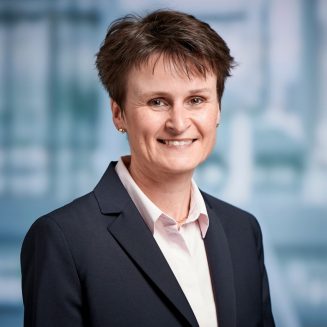
The expert in this field provided the editorial team with advice and input for this article. Eliane Wyss (medical assistant and nutrition coach) works in the Helsana health consultation service. She supports customers on questions to do with nutrition and other health topics.


Newsletter
Find out more about current health issues every month and get all the information you need about our attractive offers from all Helsana Group companies * delivered by e-mail to read whenever it suits you. Our newsletter is free of charge and you can sign up here:
We did not receive your information. Please try again later.
* The Helsana Group comprises Helsana Insurance Company Ltd, Helsana Supplementary Insurances Ltd and Helsana Accidents Ltd.