Stress prevention: tips for guarding against stress
What does stress prevention mean? What can you do to avoid stress in your daily life over the long term? Are there special relaxation techniques for this? Find out now how to prevent stress and which methods can help you feel more relaxed.
What is stress prevention?
Stress prevention comprises all the steps taken to prevent the challenging sensation of stress. These work on two levels:
- Behavioural prevention: these approaches strengthen your personal ability to deal with stressful periods and events – for example, with the help of relaxation techniques.
- Contextual prevention: this entails creating external conditions that foster as little stress as possible.
Prevention is therefore aimed at you and your personal environment. Exercise and a balanced diet are just some of the ways you can effectively prevent stress.
What actually triggers stress? The answers to this are individual and depend on many factors. The earlier stress is detected, the faster it can be counteracted. It helps to be familiar with your own stress triggers. Clarity can be provided by a stress test
How can you avoid stress?
The right habits can help you avoid and reduce stress. Several areas are interlinked: relaxation, diet, sleep and exercise. Even small adjustments to your daily routine can make a difference. The following tips will help you get through the day with a greater sense of relaxation.
Relaxation techniques to guard against stress
Reduce stress in everyday life by regularly doing relaxation exercises. Suitable methods include:
- Autogenic training: autogenic training is a good way to prevent stress. This is a form of self-hypnosis that relaxes you.
- Progressive muscle relaxation: progressive muscle relaxation also has a calming effect. It involves tensing different muscle groups, one after the other, and then relaxing them again.
- Mindfulness exercises: mindfulness relieves the mental symptoms of stress. By completing the appropriate exercises, you’ll learn to tune into what’s good for you. You will also strengthen your resilience.
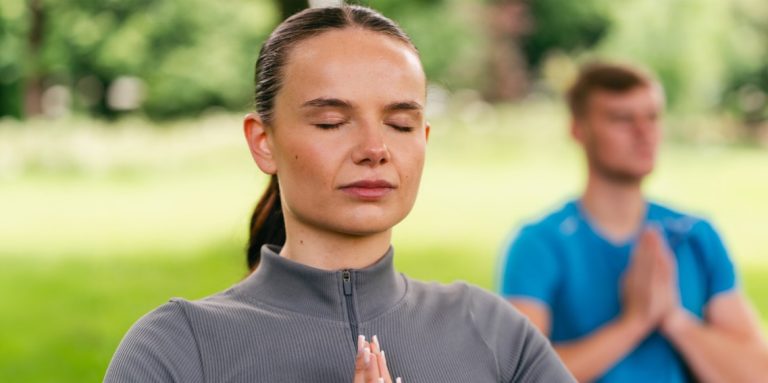
- Yoga and meditation: yoga and meditation also help by making you more relaxed.
Relaxation course – covered by Helsana
COMPLETA supplementary insurance covers 75% of the costs of recognised health promotion courses, up to a maximum of CHF 200 per year. Find out what benefits are included.
Healthy nutrition to combat stress
Make sure you eat a varied diet. as this can help alleviate stress symptoms. The extent to which people experience stress varies from person to person. However, certain nutrients can support brain function and thus help us to cope better with stress.
- Carbohydrates: eat wholegrain products, potatoes and pulses. These contain carbohydrates and can have a positive effect on mood.
- Vitamins: vitamins A, C and E are also important. You should therefore opt for green and yellow/red vegetables and fruit, as well as making eggs and grains a regular part of your diet.
- Magnesium: magnesium also has a supportive and antispasmodic effect. This is found in oats, cashew nuts and white beans, for example.
In addition, you should drink about 2 litres of water or unsweetened tea every day.
Note: a balanced and varied diet helps to combat stress. It is therefore best to follow the Swiss food pyramid and take inspiration from our article: The right nutrition to combat stress.
A good night’s sleep helps combat stress symptoms
If you can recharge overnight, you’ll start the day more relaxed. With our sleep tips, you can ensure a good night’s rest and less stress. Make sure you have a quiet environment at a comfortable temperature and avoid caffeine in the afternoon if you know it will trigger a strong reaction in you.
Preventing stress through exercise
Exercise can boost your mood: the moments you spend mindfully focusing on your body and movement feel like a little break. Studies confirm that sporting activities release happiness hormones, which put us in a good mood. Exercise regularly. Just a one-hour walk in the fresh air can significantly reduce our feelings of stress. People who exercise regularly sleep better and feel a greater sense of balance overall. Active people also suffer less from anxiety and depression. Additionally, exercise helps to lower the level of cortisol and adrenaline. Stress hormones are broken down during physical activity, which makes us calmer.
Anti-stress tips
There are various tips for avoiding stress in everyday life. The following will bring more calm into your day-to-day life:
- Create a weekly plan that includes both relaxing (e.g. yoga) and fun activities.
- Consciously incorporate periods of rest into your daily routine.
- Speak openly to those around you if you feel overwhelmed so you can solve problems before acute stress arises.
- Keep a sense of humour: laughter can help ease stressful periods.
- Think about what you are expecting of yourself. Are you setting the bar too high? Are you a perfectionist? Learn to accept failure; it is part of life.
- Accept help if you have too much on your plate. Maybe someone you know can cook or go shopping for you.
- Get up 20 minutes earlier in the morning than you actually have to. This gives you some extra time to ensure a relaxed start to the day.
By the way, preventing stress in children also starts in everyday life: periods of relaxation, interaction with friends, less time pressure and open conversations about worries with teachers and parents.
Work-related stress is one of the main triggers of burnout. These tips help encourage a good work-life balance:
- Schedule some time before work to do a short breathing exercise to relax you.
- Treat yourself to breakfast without any time pressure so you can fuel up for the day.
- Eat several small meals throughout the day. Try to eat your lunch away from your desk.
- Complete the most important tasks first. Avoid multitasking and stick with a task until you complete it.
- Talk to your line manager if you feel overwhelmed.
- Enjoy your evening. Do some exercise or see your friends.
Example: your anti-stress schedule
You’re probably familiar with the feeling of never having enough time. Why not deliberately take time for yourself for one week? Our anti-stress programme will help you to do just that.
|
|
|
|
|
|
|
|
|
|
|
|
|
|
|
|
|
|
|
|
|
Monday
Morning
Start the week with a five-minute meditation session: set your alarm clock, sit in a comfortable position, close your eyes. Consciously breathe in and out deeply. Concentrate on your breathing.
Afternoon
Loosen your tense muscles. Stand up straight with your weight on both legs. Stretch as far as you can, right to your fingertips.
Evening
Enjoy a cup of lemon balm tea and write down five things you’re grateful for. Lemon balm can have a calming and relaxing effect and help you to fall sleep.
Tuesday
Morning
listen to your favourite music on the way to work – whether in the car or through your headphones on the train. In this way, you will arrive relaxed and start the day with a sense of calm.
Lunchtime
Treat yourself to a break in natural surroundings. Breathe in deeply. This provides the body with the perfect amount of oxygen. Movement in the fresh air stimulates your circulation and gets your blood flowing.
Evening
become a digital detoxer: spend an evening without your TV, smartphone and other devices to avoid digital stress. Instead, treat yourself to a foot bath, e.g. with alkaline powder, which can clear your head and relax you.
Wednesday
Morning
Power breakfast: make some muesli with bananas, carrots and apples. This will provide you with lots of valuable vitamins, minerals and dietary fibre.
Afternoon
Neck tight? Let your head hang loose while massaging and kneading your neck for three minutes. Use a fascia ball to further loosen the neck muscles.
Evening
Watch a comedy: when you are happy, your brain sends impulses to your laughter muscles. It also works the other way round: when you laugh, your laughter muscles send stimuli to your brain. This then releases the happy hormone serotonin, making you happy.
Thursday
Lunchtime
When they feel stressed, people tend to tense one side of the body more than the other. Consider your shoulders as scales: make sure to consciously keep them balanced.
Afternoon snack
Eat a handful of unsalted nuts, for example walnuts, almonds or cashew nuts. They contain valuable fatty acids.
Evening
Burn off some energy: do some star jumps! To do so, stand up straight and hold your arms next to your body. Start to jump slightly until your legs reach a shoulder-width position. Rotate your knees and feet outwards a little whilst simultaneously lifting your arms and legs upwards.
Friday
Morning
Get up an hour earlier today, and enjoy some fresh air while Nordic walking. Make sure you use the right Nordic walking technique.
Afternoon
Treat yourself to a power nap: 20 to 30 minutes of sleep – but no longer. In this way, you can recharge your batteries for the rest of the day.
Evening
Finish the week by relaxing in a warm bath. Add lavender to the water – lavender has a relaxing and calming effect and helps to ensure a restful sleep.
Saturday
Morning
Progressive muscle relaxation helps you loosen up by tensing up. This method results in deep relaxation in case of stress, pain or sleeping disorders.
Afternoon
spend time in the great outdoors. Not sure where to go? We have excursion destinations with tips for hiking and swimming for you. Let us give you some inspiration.
Evening
Cook a balanced recipe with lots of fresh and crunchy vegetables from the Helsana Coach app.
Sunday
Morning
sleep in a bit today. Once you have got up, head to the lake or the swimming pool for a brief swim. Follow our tips for avoiding the most common mistakes when swimming breaststroke.
Lunchtime
Try something new for lunch: a summer recipe with falafel, salad and mint dressing. This is a treat for your taste buds and eyes alike.
Evening
Remembering good times on holiday relaxes us and makes us happy: instead of watching TV, look at photos of your favourite holiday.
Detecting and preventing stress at an early stage
Sometimes, you can have a stressful week, despite taking preventive measures. In this cases, it’s good to know the typical symptoms of stress, so you can actively take countermeasures and ensure relaxation. Possible signs include:
- Not being able to switch off
- Tension
- Teeth grinding
- Fast heart rate
- Sleep disorders
- Irritability
Look after yourself and take your symptoms seriously. Use them as an opportunity to build periods of relaxation, a balanced diet and exercise into your daily life.
What should you do when you’re stressed out?
Life doesn’t always go according to plan: it’s not possible to fully avoid stress. But if you know what triggers it and are mindful, you’ll get rid of it sooner. Once the stress is there, there are different ways to eliminate it using special stress management methods. Try out different approaches and find out what works for you so you can enjoy greater relaxation in your day-to-day life again.
Stress prevention is an investment in your well-being. The little things have a big impact: breathing mindfully, going for a walk in the countryside or enjoying a cup of tea in the evening. Supplement these routines with exercise, good sleep and a varied diet. Discover what suits you and be patient with yourself: every day offers new opportunities for greater calmness and balance.

The specialist provided the editorial team with advice and input for this article. Monika Fäh Rüegg is a nurse specialising in psychiatry and a systemic mental trainer, and has completed training in Viktor Frankl’s meaning-centred counselling. She works in Case Management at Helsana.


Newsletter
Find out more about current health issues every month and get all the information you need about our attractive offers from all Helsana Group companies * delivered by e-mail to read whenever it suits you. Our newsletter is free of charge and you can sign up here:
We did not receive your information. Please try again later.
* The Helsana Group comprises Helsana Insurance Company Ltd, Helsana Supplementary Insurances Ltd and Helsana Accidents Ltd.