
A no-sugar diet: effects and suitable foods
How does a no-sugar diet work? Can a no-sugar diet help with acne and diabetes? Which foods are you allowed when you’re cutting out sugar, and what can’t you have? Find out how to cut out sugar and get tips to help you.
Overview of topics
What is a no-sugar diet?
In the strictest sense, going sugar-free means cutting all types of sugar out of your diet – not just the usual suspects like table sugar (sucrose), but also natural sugars such as fructose in fruits and lactose in dairy products. In theory, you would actually have to eliminate all carbohydrates from your diet as well, since the body converts them into glucose. This includes foods such as bread, rice and pasta. If you cut out all types of sugar, you would be avoiding many foods that are part of a balanced diet. That’s why following a completely no-sugar diet is not recommended.
When we talk about “no-sugar” below, we mean a no-sugar diet with no added sugar, i.e. without the sugar found in processed foods such as fruit yoghurt and muesli.
Cutting out sugar: the effects
There are various reasons why you might want to eliminate sugar from your diet. What happens to our bodies when we do, and what are the benefits of cutting out sugar?
- Skin: a no-sugar diet has an effect on the skin. When you eat sugary foods, your blood sugar level rises. This indirectly stimulates your body to produce more sebum, and skin blemishes are a possible consequence. That’s why a no-sugar diet is particularly advantageous for people with acne, neurodermatitis or psoriasis.
- Osteoarthritis: a no-sugar diet may help to reduce the inflammatory processes in the body that are typical of osteoarthritis.
- Gout: gout is caused by an increased concentration of uric acid in the body. Sugar-rich foods intensify this trigger, which is why a no-sugar diet can have a beneficial effect.
- Diabetes: you will also benefit from a no-sugar diet if you have diabetes. This is because foods with a lot of added sugar significantly increase blood sugar levels. Cutting out sugar and alcohol, or only consuming them in moderation, can have a positive effect. In fact, alcohol increases the risk of hypoglycaemia.
- Blood sugar level: when you eat foods without sugar, your blood sugar level stabilises. This may help you to concentrate and feel less tired.
- Obesity: cutting out sugar reduces the risk of obesity. If you want to lose weight, reducing your sugar intake is a great place to start. This is because foods that contain sugar are often high in calories and encourage cravings. By eliminating these from your diet, you’ll find it easier to lose weight and reach your ideal weight.
- Tooth decay: sugar causes tooth decay because it attacks the protective enamel on the teeth. So by cutting out sugar, you’re also promoting healthy teeth.
If you do decide to go sugar-free, you should discuss it with your doctor first. This is particularly important if you have an existing medical condition.
It’s worth noting that there are plenty of rumours out there when it comes to cutting out sugar. For example, a no-sugar diet can supposedly help ADHD sufferers alleviate their symptoms. However, this has not yet been adequately researched.
A short-term sugar detox – cutting sugar out of your diet for a few weeks, for example – has little effect compared to a long-term, no-sugar diet. Some people report clearer skin, more flexible joints and fewer sweet cravings. However, these are all personal experiences that do not apply to everyone. When it comes to cutting out sugar, the long-term side effects have been better researched than the short-term ones.
How can I go sugar-free?
If you do decide to follow a no-sugar diet, it’s important to choose foods carefully. But which foods are best if you don’t want to eat any sugar? And which ones should you avoid?
Doing without sugar: what can I eat?
You can still enjoy a full, varied diet when cutting out sugar. For example, a no-sugar diet offers many options for vegans and vegetarians.
You can still eat fruit on a no-sugar diet. However, if you want to limit your fructose intake, the following are good choices:
|
|
|
|---|---|
|
|
|
|
|
|
|
|
|
|
|
|
|
|
|
|
|
|
|
|
|
Food
Sugar content in grams per 100 grams
Raspberries
5.4
Strawberries
5.6
Blackberries
6.1
Grapefruit
6.6
Apricots
6.7
Oranges
7.6
Watermelon
7.9
Vegetables generally contain less sugar than fruit. The following are particularly low in sugar:
|
|
|
|---|---|
|
|
|
|
|
|
|
|
|
|
|
|
|
|
|
|
|
|
|
|
|
|
|
|
|
|
|
|
|
|
Food
Sugar content in grams per 100 grams
Mushrooms
0.3
Boiled potatoes
1.1
Radishes
1.1
Lettuce
1.5
Steamed broccoli
1.7
Steamed cauliflower
1.7
Cucumber
1.8
Asparagus
1.9
Steamed fennel
2.1
Steamed courgette
2.2
Note that these lists are not exhaustive.
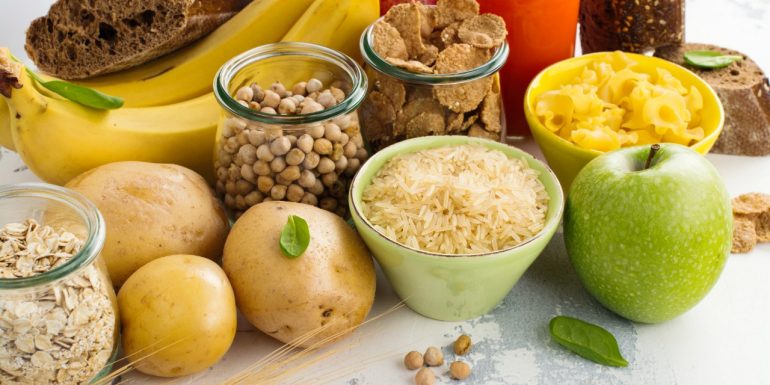
Alongside fruits and vegetables, grain-based products are also suitable for a no-sugar diet. Bread, pasta, rice and other foods made from wholegrains only cause a gradual increase in blood sugar levels. The same applies to legumes such as chickpeas, lentils, beans and peas. However, they are not ideal for a diet without carbohydrates or sugar, as is the case with the low-carb diet. This is because they contain lots of complex carbohydrates.
Meat and fish are also suitable options if you don’t want to eat any sugar. However, you should always opt for fresh, unprocessed foods. Ready meals that contain meat or fish are often full of added sugar. The same applies to milk and dairy products in a no-sugar diet. Unprocessed varieties are your best bet here as well, including natural yoghurt, cream and soft cheese.
When you follow a no-sugar diet, you can only drink water, unsweetened tea or unsweetened coffee.
Remember, it’s not only our choice of foods that influences blood sugar levels, but also the way we consume them. For example, if you eat a whole orange – i.e. peel it and eat it piece by piece – the fructose it contains will be slow to enter your bloodstream. This is because the fructose is surrounded by fibre, and the body needs more time to digest it. This in turn has a positive effect on your blood sugar level. In contrast, a glass of orange juice – even with bits – causes a spike in blood sugar levels. The body is confronted with an excess of sugar and reacts accordingly.
The Swiss Society for Nutrition (SSN) advises that pregnant women eat as balanced a diet as possible. A completely no-fat, no-sugar diet is not recommended. However, expectant mothers should only consume foods high in saturated fats and sugar in moderation. Foods suitable for a no-sugar diet during pregnancy include thoroughly cooked salmon, thoroughly cooked poultry, fruit, vegetables, wholegrain products and pulses. However, you should avoid soft cheese made from unpasteurised milk, animal products that have not been cooked through and food made from raw eggs, as these can cause listeriosis and toxoplasmosis.
Doing without sugar: what can’t I eat?
A no-sugar diet is all about eliminating added sugar. The following foods, for example, should definitely be avoided:
- Chocolate and sweets
- Sweet baked goods such as cakes and tarts
- Ready meals
- Sweetened dairy products such as fruit yoghurt and blancmange
- Dips and ready-made sauces such as ketchup
- Fast food
- Fruit syrup and fruit nectar
- Soft drinks such as lemonade and smoothies
If you also want to consume less fructose, cut down on the following fruits:
|
|
|
|---|---|
|
|
|
|
|
|
|
|
|
|
|
|
|
|
|
|
|
|
|
|
|
Food
Sugar content in grams per 100 grams
Cherries
10.0
Pineapple
10.5
Honeydew melon
10.6
Apples
11.5
Figs
12.2
Mango
12.9
Bananas
15.6
Good to know: dried fruit contains significantly more sugar. Dried bananas contain about 43.7 grams of sugar per 100 grams. Dried mango contains 59.9 grams of sugar per 100 grams.
Many people resort to sweet alternatives when following a no-sugar diet. Honey, agave syrup, dates and other products of natural origin are all popular. However, these products are no better than conventional sugars, as they also contain a lot of sugar themselves. For example, honey contains around 76 grams of sugar per 100 grams.
Sugar substitutes in the form of sweeteners are not recommended as an alternative to sugar either. If you do decide to cut out sugar, you should also avoid these substitutes if possible and make sure you eat a varied diet instead.
Doing without sugar: tips
If you do decide to try a no-sugar diet, it can often be difficult to get started. We’ve put together a few tips to help you:
- First, replace sweet drinks with unsweetened ones. If you still want to drink juice, dilute it with sparkling water.
- Think about how you can swap products with added sugar for products with no added sugar. Eat natural yoghurt with fresh fruit instead of fruit yoghurt. Instead of shop-bought muesli, opt for natural oats, ground nuts and fruit.
- Cook from scratch as much as possible. When cooking or baking using a recipe, try to reduce the amount of sugar you use as much as you can.
- Draw up a plan for your no-sugar diet. Think about what changes you could feasibly make on a day-to-day basis and decide when you will cook which meals.
- Pay close attention to the list of ingredients on food products when shopping. Watch out for anything that ends in “-ose” or mentions “extract” or “dextrin”. Syrup, honey, sweet whey powder and skimmed milk powder also contain hidden sugar.
Should I just cut down on sugar or cut it out altogether?
The SSN generally recommends a balanced diet based on the food pyramide. Sweets and soft drinks are at the top of the pyramid. This means that, ideally, you should only consume these in small amounts – and not every day. However, it’s not necessary to cut out sugar altogether. But you should be mindful of how much sugar you incorporate into your diet. Your best bet is to stick to the amount recommended by the World Health Organization (WHO), which is no more than 50 grams of sugar per day.
Everyday life with children makes going completely sugar-free practically impossible. It’s a better idea to cut down on sugar wherever possible, think carefully about what you eat and stick to a balanced diet. You should also explain to your child why they should only eat sugar in moderation.
If you ban sugary foods completely, this usually has the opposite effect: turning sugar into a kind of forbidden fruit will only make children crave it all the more. They’ll also feel left out when all the other children are allowed to eat cake at birthday parties but they’re not. So let them indulge now and then; as long as they have a generally healthy, balanced diet, the odd bit of sugar won’t do them any harm.
You may find that a no-sugar diet offers numerous benefits for you. With a few tips and by making careful choices about the food you consume, you can cut out sugar. However, always make sure your diet is varied, and don’t be too hard on yourself if it doesn’t work straight away.

The specialist provided the editorial team with advice and input for this article. Anja Roth (Master of Science in Musculoskeletal Physiotherapy) was working for Helsana’s health consultation service at the time the article was written.
Newsletter
Find out more about current health issues every month and get all the information you need about our attractive offers from all Helsana Group companies * delivered by e-mail to read whenever it suits you. Our newsletter is free of charge and you can sign up here:
We did not receive your information. Please try again later.
* The Helsana Group comprises Helsana Insurance Company Ltd, Helsana Supplementary Insurances Ltd and Helsana Accidents Ltd.