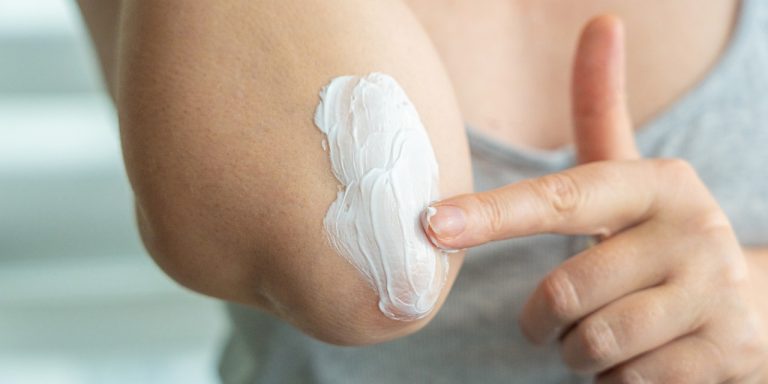
Eczema: symptoms, causes and treatment
What causes eczema and what helps to soothe it? What forms of eczema are there and how do they differ? When is eczema deemed chronic and is it contagious? Find out more about the symptoms and causes of eczema, plus tips for looking after your skin.
Overview of topics
What is eczema?
Eczema, also called dermatitis, is an inflammatory skin disease. The word “eczema” doesn’t refer to a specific, individual skin disease, but rather serves as a collective term for various skin inflammations often associated with itchiness, redness, flaky skin or weeping areas. As a rule, the condition’s appearance and the areas of the body affected differ depending on the type of eczema.
Eczema isn’t contagious and can’t be transmitted from person to person. However, the skin changes associated with eczema sometimes resemble infectious diseases like bacterial skin infections or scabies, for example. If you’re unsure, it’s worth seeking medical advice.
What does eczema look like?
Eczema’s appearance depends on the type in question. In the early stages, many sufferers experience an unpleasant sensation on their skin, which feels tight, itchy or particularly sensitive. The first reddened or rough areas often appear, and the symptoms worsen as time goes on.
In the acute phase, the symptoms are more pronounced and have a visible impact on the skin:
- Dry skin: eczema usually leads to dry, rough and brittle skin.
- Itching: this is often severe and affects many sufferers on a daily basis.
- Redness: eczema typically presents as a reddened rash with inflammatory changes.
- Blisters: small fluid-filled blisters appear on the skin.
- Swelling: eczema can sometimes cause swelling that feels warm to the touch.
- Weeping areas: fluid is released from the skin, often leading to crusts forming.
In many cases, eczema occurs on the hands, face, scalp, elbows or in skin folds. Eczema can also be found in the genital area as well as on the legs and feet.
Chronic eczema
If the inflammation persists for an extended period of time or recurs repeatedly, it is called chronic eczema. The initial acute complaints do not subside completely and lead to permanent skin changes.
Typical features of chronic eczema include:
- Constant itching: there is often a very strong sense of itchiness, which lasts for a long time.
- Dry, thickened skin: the skin looks very dry and becomes thicker over time.
- Flakiness: significant quantities of skin flakes appear on the affected areas.
- Coarse skin structure: the skin’s surface has a coarse, rough texture.
- Skin cracks: the thickening often results in fine cracks and rough patches on the skin.
Repeated scratching and rubbing often causes the skin to become thicker in the affected areas.
While eczema and fungal skin infections look similar at first glance, fungal infections have certain characteristics that aren’t present with eczema:
- Ring-shaped edges: fungal infections often take the form of circular, cleanly delineated skin changes.
- Scaly skin and demarcation lines: the skin looks very scaly and stands out from the surrounding tissue.
- Typical locations: the spaces between the toes and fingers, the crook of the groin and the armpits are especially affected by fungal infections.
Contact your doctor if you suspect a fungal infection: skin fungus is infectious and requires medicinal therapy.
Causes and triggers of eczema
The causes of eczema are manifold. Genetics and external influences often play an important role. Often, several triggers work together, with the most common including:
- Genetic predisposition: this leaves sufferers more likely to experience certain types of eczema.
- Impaired skin barrier: the skin loses more moisture and is more sensitive.
- Irritants: contact with soap, detergents or chemicals has a negative impact on the skin.
- Allergens: certain substances such as metals, fragrances or preservatives trigger allergic skin reactions.
- Environmental influences: cold, heat or dry air exacerbate skin irritation.
- Nutrition: certain foods – such as wheat or dairy products – or digestive disorders promote inflammatory processes in the body and pave the way for eczema.
- Hormonal changes: these sometimes make eczema more likely – for example during pregnancy and breastfeeding, during menstruation, during perimenopause or when stopping the contraceptive pill.
- Excessive skincare: this is a common cause of eczema. So, you should avoid putting your skin through too much and opt for mild, gentle products instead.
Eczema sometimes also has psychological causes. Stress, sleep deprivation or mental illness make some people’s skin more sensitive. They influence inflammatory processes in the body and thus worsen pre-existing eczema or trigger new flare-ups.
Types of eczema
There are various types of eczema, which differ in terms of triggers, body location and external characteristics. In the following sections, we explore the most common types of eczema and their unique features.
Atopic eczema
Atopic eczema, also known as atopic dermatitis or neurodermatitis, is a type of endogenous eczema. This means that internal influences – in particular genetic predisposition, the skin barrier and the immune system – play a key role in this variant. Typical skin changes tend to occur in the crooks of the arms and knees. The neck, face and hands are also often affected. The neurodermatitis usually progresses in flare-ups of varying severity, but complaints subside between the flare-ups.
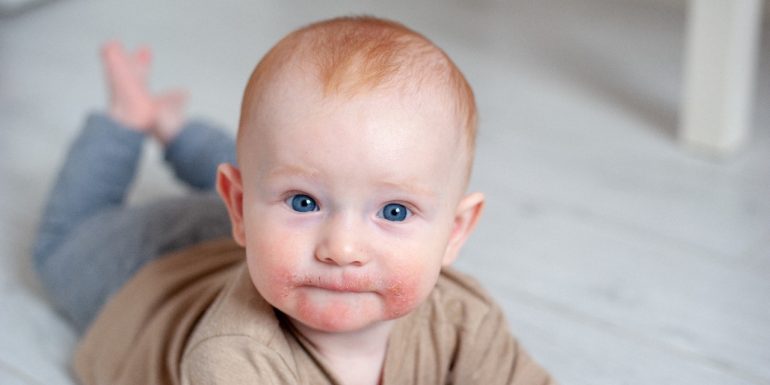
Atopic dermatitis sometimes occurs in babies and children, whose skin is sensitive and prone to inflammatory flare-ups. For some children, the complaints decrease as they age, but the illness persists or recurs later in others. There is also often a connection with other atopic illnesses such as asthma or a pollen allergy.
If your child or baby has neurodermatitis, make sure their skin is moisturised regularly using age-appropriate products. Observe their skin closely and make an appointment to see your paediatrician in the event of recurring or severe skin changes.
Contact eczema
Contact dermatitis occurs when the skin comes into direct contact with certain substances such as solvents or soaps. The inflammation manifests itself locally where the skin comes into contact with one of these substances. Allergic reactions are also possible: in the case of allergic eczema, the immune system reacts to a specific substance – such as metals like nickel or ingredients found in cosmetics and skincare products. Sufferers are best advised to avoid irritating substances, which often allows the skin to calm down and reduces the frequency of complaints.
Dyshidrotic eczema
Dyshidrotic dermatitis mainly occurs on the feet and hands. This type of eczema is characterised by a large number of small, often itchy blisters on the skin. The eczema leaves the skin feeling tight, and looking red and flaky. This inflamed skin is very sensitive, especially after contact with irritants or in moist environments. The cause of this eczema is not yet fully understood, but friction, sweating and possibly increased skin sensitivity play a role.
Seborrhoeic eczema
Seborrhoeic dermatitis typically occurs on parts of the body with lots of sebaceous glands, like the scalp and face – around the eyebrows and nasolabial folds – but also above the breastbone or on the upper back. Typical features of seborrhoeic eczema include reddened areas with yellowish, oily flaking patches, sometimes without any itching at all or with mild itchiness. Increased sebum production and certain yeast fungi on the skin promote seborrhoeic eczema.
Nummular eczema
Nummular dermatitis takes the form of clearly defined, coin-shaped skin changes, which differentiate nummular eczema from other types of eczema. The affected areas are often very red, flaky and itchy, and they may be weeping or crusty. Typical areas to be affected include arms, legs or the torso, as well as areas with dry skin. In some cases, nummular eczema is a form of microbial eczema: bacteria or other germs colonise the damaged skin and intensify the inflammatory response.
Intertriginous eczema
Intertriginous eczema, also called intertrigo, occurs in skin folds when skin rubs against skin and moisture is trapped. The affected skin areas are left red and sore, sometimes weeping, burning or itchy. This type of eczema is particularly common in the neck, the eyelid, the groin and genital area, the armpits or under the breasts – i.e. where skin surfaces sit on top of each other. This warm and humid environment is also conducive to bacterial infections, which exacerbate the inflammation and prolong the course of the disease.
Perioral eczema
Perioral eczema is an inflammatory rash on the face that usually occurs around the mouth, often also on the nostrils or the chin. Typical complaints include reddened areas with small nodules or pustules as well as little patches of flaky skin. Many sufferers also describe a burning sensation or tightness in their skin. Possible triggers of this kind of eczema include excessive skincare, certain skincare products and cosmetics as well as creams containing cortisone. Regular use of certain toothpastes can also lead to perioral eczema.
What helps soothe eczema?
Eczema treatment differs depending on the type of eczema, the severity and the part of the body affected. It also takes into account what triggers the eczema and how it progresses. The focus is usually on basic care that strengthens the skin barrier and reduces irritation. In the case of more severe inflammation or pronounced itching, treatment can be supplemented by medical intervention and, if necessary, medication. Depending on the situation, for example, anti-inflammatory ointments or creams may be used to reduce inflammation and relieve itching. Anti-allergic or immunomodulating agents are also necessary for certain types of eczema or in severe cases.
This is greatly dependent on the type of eczema and its progression. Acute eczema often improves within a few days to weeks, while those with chronic eczema often suffer for an extended period of time and the condition often returns. Consistent skincare and appropriate treatment have a positive impact on the disease’s progression.
Dealing with eczema in everyday life
Many sufferers benefit from taking steps to reduce irritation and stabilise the skin barrier. Consistent basic care is particularly important: this alleviates complaints and often reduces the risk of new areas of skin irritation.
Pay particular attention to the following when treating your eczema:
- Gentle cleansing: use mild, pH-neutral cleansing products to prevent the skin from drying out further. Throw away expired skincare products, as they may further exacerbate the skin’s condition.
- Showering and blow-drying: make sure your shower water isn’t too hot and set your hairdryer’s temperature to low to stop your skin from drying out any more. Don’t tie your hair up when it’s wet, as the persistent moisture encourages the growth of bacteria and yeast fungi.
- Regular skincare: avoid excessive skincare. Apply rich, well-tolerated skincare creams or lotions to help reduce moisture loss.
- Avoid irritants: stay away from heavily perfumed products, aggressive soaps and unnecessary chemicals.
- Soft clothing: choose soft, breathable fabrics such as cotton and avoid scratchy materials.
- Everyday household items: be sure to wear gloves when cleaning and avoid skin contact with irritants.
Seek advice from your pharmacy or doctor if you’re affected by eczema so you can tailor your basic skincare to your complaints. A balanced diet and plenty of fluids also support skin health and help strengthen the skin barrier from within. Find out more about an anti-inflammatory diet. This reduces chronic inflammation in the body and improves general well-being.
Medical treatment of eczema
If your skin doesn’t calm down despite receiving appropriate care, it’s a good idea to seek medical advice: treating the condition early prevents it from becoming chronic. It’s also worth seeing a doctor if you think you might have an allergy, a fungal infection, or if you’re suffering from severe skin weeping or pain.
It’s important to be careful when treating your eczema with home remedies: not every natural remedy is suitable for inflamed or sensitive skin. Ask your doctor for advice before using new products.
Eczema is now considered an easily treatable skin disease. Consistent day-to-day skincare makes a significant contribution to skin health. In the event of uncertainty or persistent complaints, arranging a medical examination at an early stage can provide clarity and ensure the appropriate treatment. In turn, this allows you to keep an eye on the disease’s progress, prevent the condition from becoming chronic and support your skin in the long term.

The specialist provided the editorial team with advice and input for this article. Rahel Alder (registered nurse and personal health coach) works for Helsana’s health consultation service. She assists customers with issues related to health promotion and behavioural change.

Newsletter
Find out more about current health issues every month and get all the information you need about our attractive offers from all Helsana Group companies * delivered by e-mail to read whenever it suits you. Our newsletter is free of charge and you can sign up here:
We did not receive your information. Please try again later.
* The Helsana Group comprises Helsana Insurance Company Ltd, Helsana Supplementary Insurances Ltd and Helsana Accidents Ltd.