Winter swimming – the benefits and how it works
Ice bathing and winter swimming are all the rage. Would you like to experience a blast of cold, too? Find out here what the health benefits are and how to do it safely.
Overview of topics
Ice bathing and winter swimming – what’s the difference?
Ice bathing involves entering water with a temperature below 5°C and staying in it for a short time. While some swear by ice barrels, others prefer a winter lake, river or ocean. You start by staying in the water for just a few seconds and then slowly increasing the time. Winter swimming, on the other hand, involves moving around in cold water at temperatures of up to 15°C.
Effects of winter swimming
Every year, more people venture into cold waters, believing this to have a positive effect on their body and mind. Research confirms that the short-term jolt of cold stimulates the circulatory system, lowers stress and boosts mood. Studies and anecdotal reports also suggest that cold water swimmers are less likely to suffer from colds.
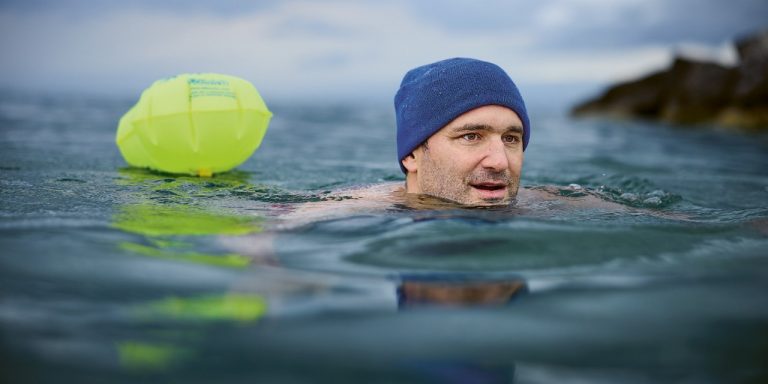
42-year-old Sébastian Haemmerli, who can be seen on the image above, experiences the benefits regularly. We met him on a cold winter morning by Lake Geneva. The water temperature is around ten degrees. Haemmerli steps out of the water, beaming.
“I always feel great after a swim. My breathing slows down and becomes more regular in cold water, which reduces stress.” Regular winter swimming makes him feel relaxed and gives him a sense of balance.
The Vaud native from Vevey discovered cold water swimming ten years ago. A friend recommended it to him, because he was suffering from panic attacks at the time. After a swimming accident, Sébastien Haemmerli would become fearful and stressed whenever he went swimming. He only stayed calm in cold water. Since then, the medical masseur and hypnotherapist has been climbing into the ice-cold lake almost every day in winter.
How to swim safely in winter
Want to take the cold plunge? In this video, Tanya from the Swiss Life-Saving Association (SLRG), a partner organisation of the Swiss Red Cross, shows you how:
All steps at a glance
1. Prepare properly
You will need a head covering (e.g. swimming cap or hat), a swimming buoy or dry bag, a towel, warm clothes and a hot drink for afterwards. You can also wear neoprene gloves and socks if you need to. And for safety reasons it’s important that you always take a second person with you.
2. Find out the water temperature
Find out what the current water temperature is. Follow this rule of thumb: water temperature = maximum time spent in the water. For example, if the water is 5 degrees, you should stay in the water for a maximum of 5 minutes. Start with shorter periods of time. It can be just a few seconds at the beginning. Increase the time gradually.
3. Choose a safe entry and exit point
Whether you prefer to take a dip in a lake or a river, find a spot that’s easy and safe to access. You should be able to enter the water gradually.
4. Enter the water step by step
Step into the water slowly. This allows your body to get used to the cold. Wet your body as you go. Avoid putting your head under water.
Pro tip: start going into the water regularly in the summer to allow your body to get used to the lower temperatures gradually.
5. Breathe calmly
Concentrate on your breathing. It should be conscious, calm and regular. Avoid gasping for breath.
6. Listen to your body
If you start to feel unwell, get out of the water immediately. It becomes particularly dangerous when the core of the body gets extremely warm.
7. Warm up from the inside
After swimming comes the biggest danger: hypothermia. Dry yourself carefully and put on warm clothes. Drink a lukewarm beverage. This will warm you up from the inside. It’s important that you don’t take a hot shower straight away.
When should you avoid bathing or swimming in cold waters?
You need to be in good physical condition to go swimming in colder temperatures. If you have cardiovascular problems, health issues or feel uncertain, you should refrain from winter swimming or consult a doctor first.
Is ice bathing and winter swimming harmful for women?
Experts say “no”, but recommend that women opt for gentler forms of winter swimming, especially in the second half of their menstrual cycle. They can benefit from cold water swimming even in temperatures of 10 to 12 degrees. Staying in the water for one to a maximum of three minutes is more than enough. Contrast showers are also a good option.
The reason for the gentler approach? Women’s blood vessels tend to narrow more in the cold to maintain their body heat. This means that their arms and legs cool down more quickly. Women also shiver less than men – a reaction in the body that produces heat. Hormones play a role too. In the second half of a woman’s menstrual cycle, progesterone raises the basal body temperature, which makes the external cold feel more intense.
Strengthen your immune system in winter
Going for a swim in the freezing cold isn’t for everyone – and it doesn’t have to be. Even just exercising or going for a walk outdoors in winter is good for your health and well-being. This is because of both the positive effects of exercise and the temperature differences between indoors and outdoors. Both stimulate the body’s immune defences.
Moist mucous membranes are an important barrier against viruses and bacteria. This is also why you should drink plenty of fluids, ideally two litres of water or tea a day. Fluid keeps the mucous membranes moist and helps to flush out pathogens. This makes it more difficult for cold viruses to settle there.
Colds, flu and gloomy days that dampen the mood: winter puts our health to the test. You can prepare yourself for this with a healthy lifestyle. A vitamin-rich diet and exercise play a role here, as does having enough sleep and minimising stress.
One of the most effective and simplest ways to combat pathogens is still to wash your hands regularly with soap, especially before eating, as most pathogens are transmitted via the hands. Dry and cracked skin should be treated with a moisturising cream. Regular ventilation is also recommended, as this helps to reduce accumulated moisture and pathogens, improving the air quality.
Winter swimming invigorates the body and mind – provided you do it carefully. Start slowly, listen to your body and follow the safety rules. This will ensure that your cold plunge is a beneficial and pleasant experience.
Working together to improve water safety
Helsana has partnered with the SRC and the rescue organisation SLRG to raise awareness of safe behaviour on, in and around the water. Learn how accidents can be avoided – with preventative steps, swimming safety rules and courses to prepare you for an emergency.


Newsletter
Find out more about current health issues every month and get all the information you need about our attractive offers from all Helsana Group companies * delivered by e-mail to read whenever it suits you. Our newsletter is free of charge and you can sign up here:
We did not receive your information. Please try again later.
* The Helsana Group comprises Helsana Insurance Company Ltd, Helsana Supplementary Insurances Ltd and Helsana Accidents Ltd.