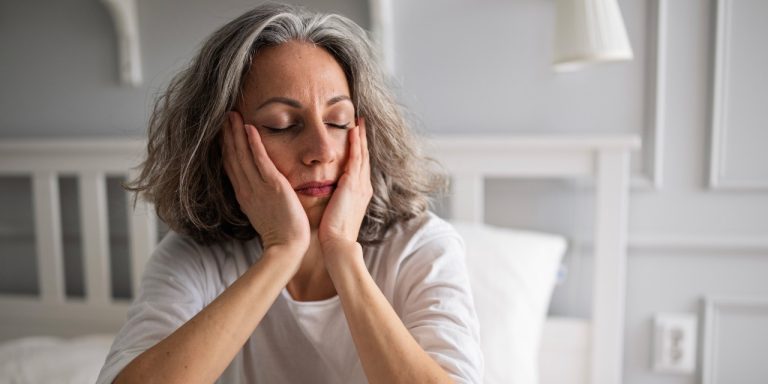
Recognising the symptoms and signs of depression
How do you recognise the signs of depression? They’re not always purely psychological; many people also experience headaches or abdominal pain with no obvious cause. And is depression the same for men and women, or are there differences?
Overview of topics
Typical symptoms of depression
Depression is a mental illness that affects how you feel, think and act. People suffering from depression experience low moods that can last for weeks or even months. They may also feel hopeless, numb and exhausted. This is often accompanied by physical complaints. The first signs of depression usually develop gradually over a period of several weeks or months; it’s rare for them to appear overnight or within a few days. Because the symptoms are numerous and vary from person to person, only a professional can provide a reliable diagnosis. If you suspect you may be suffering from depression, please contact your general practitioner.
The signs of depression are divided into main symptoms and additional symptoms.
It’s important to note that there are varioustypes of depression. Postpartum depression and seasonal winter depression are just two examples. Although there is a clear distinction between them, these forms share similar core symptoms.
Depression develops from a combination of various influences. If you are aware of these triggers, you’ll be better prepared. Early detection also makes it easier to take effective countermeasures. The most common factors are:
- Genetic predisposition: family studies have demonstrated the influence of hereditary factors. Generally speaking, the closer the relation, the higher the risk of depression.
- Formative experiences: life-changing experiences during childhood or adulthood make people more vulnerable and susceptible to depression.
- Prolonged conflict situations: many people become depressed due to a hurtful relationship or an emotionally damaging environment at work, which causes them to fall ill.
- Medication and drugs: certain medications and drug and alcohol abuse can contribute to depression and even trigger it.
- Stress: when the body is no longer able to cope with chronic stress, symptoms such as stomach problems, sleeplessness, tension and depression can occur.
- Deficiencies: vitamin B12, iron and folic acid deficiencies may cause anaemia, which can lead to depression. Vitamin D also has an influence on our nerve functions. An underactive thyroid can also lead to depressive moods.
Main symptoms of depression
The most common main symptoms include:
- Depressed mood: people suffering from depression may feel constantly downcast and dejected, even when there’s no obvious reason for it. If you’re depressed, you may have a sense of emptiness and struggle to find any joy in life. Many things might seem pointless to you, and you’ll tend to feel rather subdued.
- Loss of interest and lack of enthusiasm: activities that you would otherwise enjoy doing might not make you happy any more. It may also be hard to encourage you to do things.
- Constant tiredness and listlessness: people with depression tend to get tired more quickly than usual and have no energy. This listlessness associated with a depressed mood can affect various aspects of your day-to-day life, and you may experience it to varying degrees. For example, some people find that they can’t bring themselves to go shopping or do the washing up.
Additional symptoms of depression
Other symptoms that may indicate depression include:
- Reduced levels of concentration and focus: you may find it difficult to concentrate and struggle to make decisions.
- Reduced feelings of self-worth and confidence: people suffering from depression often feel insecure and do not believe in themselves.
- Guilt: you may feel guilty for no reason.
- Pessimistic thoughts about the future: depression is characterised by a general feeling of hopelessness. For example, some people may fear that they’ll never recover and take a very dim view of the future.
- Suicidal thoughts: depressed people may have frequent thoughts about death or even contemplate suicide.
- Changes in appetite: if you’re depressed, you may find you have no appetite and lose weight. Conversely, you might have more of an appetite than usual and actually gain weight.
- Loss of libido: you might find your interest in sex has greatly diminished or has disappeared altogether.
- Sleep disorders: depression makes it difficult to fall asleep, and you may notice that you rarely sleep through the night.
- Increased drive and motivation, intense inner turmoil, restlessness and hyperactivity. This is known as agitated depression.
Women are diagnosed with depression twice as often as men. This is partly due to socio-economic and biological factors. Another reason is that men sometimes find it harder to talk about mental health problems, depending on their upbringing and cultural background. This makes it more difficult for professionals to recognise depression. For this reason, they tend to diagnose it less frequently and at a later stage in men than in women. The result: according to statistics, more men take their own lives.
Generally speaking, the symptoms of depression are the same across all genders, but there is a trend. Men often tend to compensate for mental strain through sport, work or sex. They are more prone to react in an irritated and aggressive way, towards themselves and other people. Men are more likely to show atypical signs of depression, while women generally develop classic symptoms such as feelings of guilt and low spirits. But symptoms also vary greatly, even among people of the same gender. For example, there are men who show classic symptoms and women who demonstrate more atypical signs.
Physical symptoms of depression
Depression can also trigger physical symptoms:
- Depression sometimes causes flu-like symptoms, as it makes people more susceptible to infection.
- You may also experience a persistent feeling of exhaustion.
- In addition to feeling tired with depression, you may have stomach pains. Stomach or digestive problems such as constipation or diarrhoea can also occur in cases of depression. This is because the gut and the psyche are closely linked.
- Back pain and headaches are common physical symptoms of depression.
- People suffering from depression may also experience muscle tension, causing pain throughout the body, which can be very distressing.
- If you’re depressed, you may also feel pressure in your throat or chest, accompanied by shortness of breath or a lump in your throat.
- Another physical symptom of depression is a tingling sensation in the ribs.
- People may often feel dizzy or have heart problems such as palpitations or stabbing pains.
- Women experiencing depression can sometimes miss their period.
- Depression has been known to cause impotence in men.
Children, young people and older people can all suffer from depression. These are the signs:
Young children may quickly become irritable, sleep poorly and eat very little. They can lose interest in playing and may seem tired and withdrawn. You can even tell if a child is depressed simply by their facial expression; a sad, blank look is often noticeable, particularly in young children.
Schoolchildren are more likely to talk about feeling sad if they are depressed. They may also be irritable and their performance at school can start to suffer. Children with depression at this age can present with physical symptoms as well. In some cases, they will also think about death more often.
Young people: depression in young people has a negative effect on self-esteem and academic performance. Teenagers also tend to show the signs of depression that are typical in adults.
Depression in old age also causes typical symptoms. For example, depression in old age can lead to restlessness, listlessness and loss of appetite.
Taking a self-test: am I depressed?
If you think you might be suffering from depression, a test can give you more of an idea. Completing a self-test can be a good way to get started. Take a look and see which of the symptoms listed apply to you. Depression involves at least two main symptoms and at least two additional symptoms over a period of at least two weeks. This is quite different from simply feeling a bit down, where symptoms only last for a few days and there are no further complaints.
Please remember that these kinds of test are only a rough guide if you suspect you may be suffering from depression. They are not a substitute for a professional diagnosis. If you think you might be depressed, it’s best to talk to your doctor about it, regardless of your test results. A personal consultation is crucial for diagnosing depression and deciding on a course of treatment.
Who pays for psychotherapy?
Medical psychotherapy is covered by basic insurance. Up to 40 sessions are included. Basic insurance also covers the costs of independent psychotherapists, as long as the statutory conditions for this are met. In this case, 30 sessions of psychological psychotherapy are provided for. A medical prescription is required for this. Each prescription is valid for a maximum of 15 sessions. Applications can also be made to continue medical or psychological psychotherapy beyond the initial 40 or 30 sessions.
We would be happy to check any potential payment of costs under TOP or COMPLETA supplementary insurance if the psychotherapist or service content do not meet the requirements of basic insurance.
Forms and characteristics of depression
When doctors diagnose depression, they classify it into different levels of severity:
Mild depression:
You have at least four symptoms, of which at least two are main symptoms and two are additional symptoms. You feel impaired to a degree, but you’re still able to carry on with your social, domestic and professional activities.
Moderate depression:
You have at least five symptoms, including two main symptoms and three to four additional symptoms. With moderate depression, you are severely restricted by these symptoms in your day-to-day life. It is very difficult for you to continue as normal.
Severe depression:
You show at least seven symptoms, including all three main symptoms (depressed mood, listlessness, loss of interest) and at least four additional physical or mental signs. You are limited in everything you do.
These characteristics are recorded using various depression tests. The Hamilton Depression Scale and the Beck Depression Inventory are two well-known examples. The symptoms and their severity are classified according to a scale. Based on this, the specialist calculates a score and assigns it to a specific characteristic.
Recognising depression in others
A possible warning sign of depression may be a change in a person’s behaviour. Are they withdrawn, disinterested, easily irritable or noticeably exhausted, for example?
You can also tell a lot from someone’s facial expressions. Depressed people often have fewer facial expressions, and their faces can appear almost frozen. Can you tell if someone is depressed just by looking into their eyes? To a certain extent, yes, as some people suffering from depression will lack that familiar “sparkle” in their eyes.
Tips:
- Observe the changes in their behaviour. If they last for two weeks or more, talk to the person about it calmly and without pressure. Offer to help them, but don’t push them. If they decline your offer of help at first, don’t take it personally. Just keep making it clear, saying “I’m here for you”.
- Never say things like “pull yourself together”. Depression has nothing to do with a lack of willpower; it’s a serious mental illness.
- Be patient and don’t turn your back on them, but remember not to put too much pressure on yourself. That’s the only way you’ll be able to help them in the long run.
- Take the person to see a doctor, if they ask you to.
The signs of depression are manifold, and mental and physical symptoms often occur simultaneously. As well as regular depression, there are also other types of depression, and the symptoms can differ.
It’s important to be mindful and empathetic. If you notice a persistent bad mood or symptoms that point to depression in yourself or a loved one, you need to take action. Do not hesitate to accept help or offer it where needed. There are many treatment options available, including psychotherapy and medication, particularly when professionals identify depression at an early stage.
If anyone you know is suffering from depression and expresses suicidal thoughts, contact the emergency medical service straight away. In urgent cases like these, it’s crucial that treatment is sought without delay.
Our health consultation service can show you how to identify, prevent and treat depression based on its symptoms. We’ll also help you find a recognised therapist.

The specialist provided the editorial team with advice and input for this article. Monika Fäh Rüegg is a nurse specialising in psychiatry and a systemic mental trainer, and has completed training in Viktor Frankl’s meaning-centred counselling. She works in Case Management at Helsana.

Newsletter
Find out more about current health issues every month and get all the information you need about our attractive offers from all Helsana Group companies * delivered by e-mail to read whenever it suits you. Our newsletter is free of charge and you can sign up here:
We did not receive your information. Please try again later.
* The Helsana Group comprises Helsana Insurance Company Ltd, Helsana Supplementary Insurances Ltd and Helsana Accidents Ltd.