
Home remedies for flu and colds
As soon as it gets cold again outside, colds and flu start doing the rounds. These important household remedies and cures are worth knowing if you do catch something.
Can I treat the flu or a cold with home remedies?
If you have a cold or the flu, you only have one option: take it easy and wait patiently. However, various home remedies can alleviate typical complaints such as coughs, a sore throat or a blocked nose. Whether they actually speed up recovery has not yet been conclusively proven by science. Find out here which home remedies have proven successful.
Bear in mind that home remedies are no substitute for treatment by a doctor, particularly in severe cases.
Tried-and-tested home remedies for flu and colds
If you have the flu or a cold, certain home remedies can help alleviate the symptoms. The choice to go for depends on the symptoms.
What should you do if your throat hurts?
Camomile, sage and thyme teas are good home remedies for a sore throat. If you have a cold, warm milk with honey helps relieve an irritated throat. Herb and honey drops also alleviate discomfort. They stimulate the salivary glands, providing moisture in the throat and preventing it from drying out.
What else helps to relieve a persistent sore throat? Cut a piece of ginger root into thin slices. Pour hot water over them. Leave the mixture to steep for about 10 minutes and then drink it while it’s still warm, but not too hot.
What should you do if you have a cough?
Coughing is a natural reflex action. It helps the body clear foreign bodies from the airways. Flus and colds usually start with a dry, irritating cough and hoarseness. After a while, this turns into a productive wet cough.
Use these home remedies if you have a dry cough:
- Ribwort plantain soothes the urge to cough.
- Thyme relieves the spasms you get with tickly coughs and whooping cough.
- Lime blossom protects the throat.
- Icelandic moss, taken as a tea or lozenge, forms a protective layer over the mucous membranes.
Use the following home remedies if you have a productive wet cough:
- Cowslip works as a gentle irritant on the stomach. It causes the bronchi to produce new mucus, which is easier to clear.
- Fennel and aniseed help you cough up phlegm.
- Thyme also helps loosen phlegm.
- Ivy contains saponins, which liquefy the bronchial mucus. Ivy extract opens up the bronchi. You can take ivy as a syrup, drops or tablet.
- Eucalyptus provides the basis for cineole and other essential oil blends. They help to loosen mucus and relieve spasms. The essential oils they contain have a cooling effect. These remedies are particularly beneficial for colds and flu.
What should you do if you have a fever?
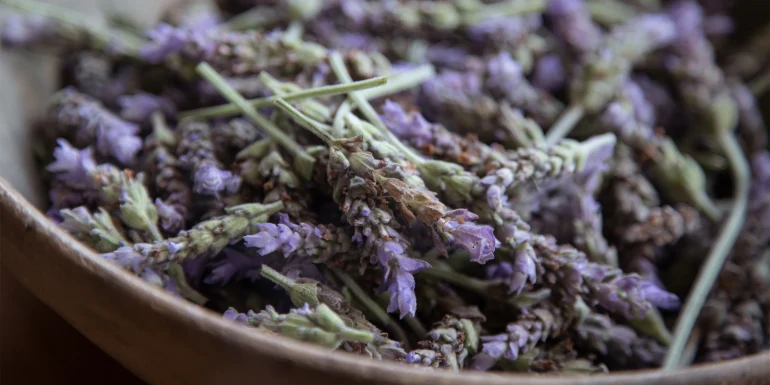
If you’re looking for a soothing home remedy for a fever, drink tea. Elderflower and lime blossom promote sweating, which helps reduce fever. High-quality tea blends from the pharmacy work best. If you have your own garden, you can also use home-made dried flowers. It is important to dry them gently and store them in a dry, dark place to preserve the active ingredients. To make the tea, pour 250 millilitres of boiling water over two teaspoons of elderflower or lime blossom. Let the tea steep for three to five minutes. Strain it. Drink two to three cups a day.
Cold calf compresses can also bring fever down. Soak two cloths in vinegar and water and wrap them around your calves. Wrap a terry towel around the compress and cover yourself with a blanket. Replace the compress when the inner cloths have warmed up. Bear in mind that calf compresses should only be used if your skin and feet already feel warm (real fever). Calf compresses should not be used for chills or cold hands and feet.
With real flu, the symptoms come on quite suddenly. They include aching limbs, high fever and a headache. The flu lasts about seven days. During this time, the flu sufferer is often confined to bed. It usually takes about another week to fully recover.
On the other hand, a cold, also known as a flu-like infection, often starts with a runny nose and a sore throat. It does not always involve fever. Colds generally don’t last as long as the flu.
Influenza viruses are the cause behind the real flu. Rhinoviruses are one of the common triggers of colds. Bacteria can also trigger a secondary infection in the course of a cold, but are rarely the actual cause. Real flu is particularly contagious. It also tends to be more severe than a cold. Sometimes it is followed by complications such as pneumonia or poor circulation.
What can you do about aching limbs?
Heat is good if your limbs are aching. Try a bath with a few drops of eucalyptus oil or thyme oil added. Stay in the bath for about 15 minutes. But: avoid baths if you have a fever, runny nose or cough. This puts extra strain on your circulation. A bath works best at the first signs of a cold or flu.
What should you do if you have a cold?
Inhaling warm steam moistens the nasal mucous membranes. Put a tablespoon of camomile flowers in a large bowl. Pour two litres of boiling water over the flowers. Put a bath towel over your head, also covering the bowl. Leave some distance between your face and the hot water. Inhale the steam calmly for about 15 minutes. Camomile vapour is a good remedy for a runny nose because it has a slightly drying effect. The heat and the anti-inflammatory ingredients of camomile also create a decongestant effect. Alternatively, dissolve two heaped tablespoons of salt in two litres of water.
You can also rinse your nose, using a nasal irrigation device for example. Dissolve a teaspoon of salt in a litre of water. This cleanses the nasal cavity of viruses, bacteria and thick secretions. Also: nasal rinsing is a good remedy if your cold or flu is making your eyes water. When you are healthy, excess tear fluid drains via the tear duct. If this is blocked due to a cold or the flu, the tears drain externally.
Home remedies alleviate the symptoms of colds and flu. In some cases, however, you will need help from a specialist. Talk to a doctor if you have:
- High fever or febrile convulsions
- Worsening or severe cold symptoms
- Chest pains
- Breathing problems
- Severe headaches with stiff neck, confusion or vomiting
You should also speak to a specialist if you are in a high-risk group. These include people aged 60 and over, infants, pregnant women and people with chronic respiratory diseases.
What should you do if your ear hurts?
Onion compresses are a popular home remedy for earache caused by colds or flu. To make the compress, finely chop an onion. Wrap the pieces in a cloth and fold it up. Warm the compress slightly. Place it on your ear and secure it with a scarf. Leave the compress to work for about an hour. Repeat this several times a day.
If you don’t like the smell of onions, you can use healing wool with a bit of lavender oil. Add a drop of lavender oil to the wool and place it against the outside of your ear. Secure it with a scarf or headband. Do not insert the wool into your ear canal. Another option is a camomile compress, which you place on the ear in the same way as the onion compress.
And don’t forget: the Eustachian tube connects the back of the throat (nasopharynx) with the eardrum (middle ear). So clearing your nose also relieves strain on your ears. Try rinsing your nose with salt water.
Boost your immune system with home remedies
If you have the flu or a cold, it’s important to strengthen your immune system.
Coneflower (also known as echinacea) activates phagocytes in the blood and tissues. This stimulates the immune system. Many people also use it to help combat infections. However, if you have an allergy to composite flowers, avoid it. Also avoid coneflower if you have underlying systemic diseases such as diabetes or autoimmune diseases such as lupus erythematosus.
Warm chicken soup can also help boost your immune system. Chicken contains proteins and minerals, among other things.
Gentle home remedies also help babies and children with colds. Saline nasal drops moisturise the mucous membranes. Angelica balm from the pharmacy loosens mucus. Apply it thinly to the nostrils. Elderflower and lime blossom tea provide extra fluids. If your baby has the flu or a cold, use an onion to clear the nose. Cut the onion into small pieces and fill a sock with them. Hang the filled sock on the cot overnight.
Important: don’t use honey on babies under 12 months, as there is a risk of infant botulism. And take care when using essential oils for toddlers up to the age of four. If symptoms do not improve, consult your paediatrician.
Fever is not only associated with colds and real flu. The complaint sometimes known as stomach flu also often causes fever. Doctors refer to this as gastroenteritis – an inflammation of the mucous membranes of the stomach and intestines. Different home remedies are available for gastroenteritis.
Stay hydrated. Diarrhoea and vomiting causes your body to lose fluids and minerals. Warm tea helps you replenish. Good options include camomile, a fennel-aniseed-caraway blend, lemon balm or peppermint. Avoid fruit teas as they contain acid which irritates the stomach.
Drink in small sips. If you’re experiencing severe nausea, it’s best to take just a few sips every 10 minutes.
Home remedies for gastroenteritis
In addition to home remedies for colds and flu, follow these tips:
- Drink plenty of fluids: go for water, herbal tea or fruit juices diluted with water. Drink an extra litre for every degree by which your temperature exceeds the normal body temperature. This will offset your loss of fluids.
- Bed rest: take it easy. Your body will only recover properly if it gets enough of a break. Bed rest is best if you have a cold or the flu, and if you are tired or feverish.
- Eat a wide range of foods: in the event of cold or the flu, eat a balanced diet. This includes wholegrain products, proteins, vegetables and fruit.
- If you lose your appetite, go for the foods you like. When you have a fever, you need more energy, so light, easily digestible food is more important than a certain “diet”.
General tips: what else helps with colds and flu?
Summer flu is usually a flu-like infection, in other words, a cold. Strictly speaking, summer flu is a misleading term, as it is actually a cold contracted in the summer. Treat it as you would a standard cold in winter, or real flu. The right remedy depends on your symptoms.
Preventing colds and flu: measures you can take
Vitamin C strengthens the immune system. However, it can neither stop nor prevent a cold. A good level of zinc and vitamin D can also help prevent infections, especially if you have a history of deficiency. If your levels are already sufficient, taking extra dietary supplements usually offers no appreciable preven-tive benefit. If the infection has already started, zinc can shorten the duration of a cold, provided it is taken within 24 hours of the first symptoms, for example in lozenge form. Be aware that hypersensitivity can lead to side effects such as gastrointestinal discomfort, nausea or vomiting. In contrast, no positive effect has yet been proven for vitamin D in the case of an existing cold.
Tip: in general, make sure you maintain healthy habits and get a good supply of vitamins and trace elements, especially zinc and vitamin D for strengthening your immune system. If necessary, seek ad-vice from a pharmacy, doctor or naturopath.
The right home remedies can often provide effective relief for cold and flu symptoms. Tea, compresses, rest and sleep support recovery. Give your body the time it needs. Although home remedies rarely shorten the duration of the illness, they can alleviate symptoms and make them more bearable. Getting plenty of rest will help you regain your strength more quickly.

The expert provided the editorial team with advice and input for this article. Natalie Bez is a nutritionist (SVDE) and researcher at Bern University of Applied Sciences with a focus on obesity treatment, nutritional psychology and plant-based nutrition.

Newsletter
Find out more about current health issues every month and get all the information you need about our attractive offers from all Helsana Group companies * delivered by e-mail to read whenever it suits you. Our newsletter is free of charge and you can sign up here:
We did not receive your information. Please try again later.
* The Helsana Group comprises Helsana Insurance Company Ltd, Helsana Supplementary Insurances Ltd and Helsana Accidents Ltd.