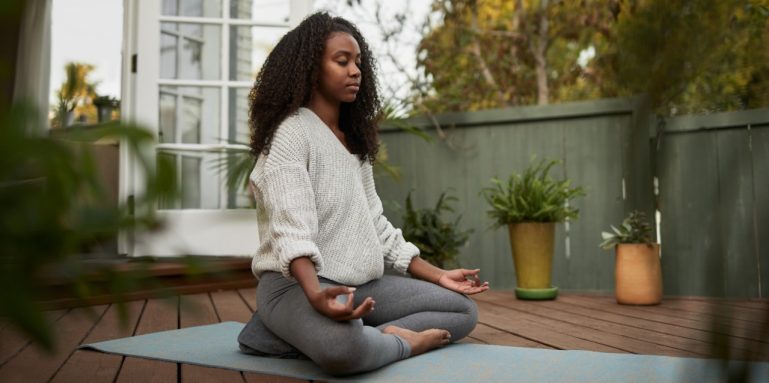
Morning routine: tips for a good start to the day
Even small rituals can help you to start the day more relaxed and focused. Consistency matters more than perfection. It’s important to develop your own personal morning routine that feels good and can be effortlessly integrated into your daily life.
Why are rituals important?
Rituals give structure to everyday life. How we spend the first few hours after waking up affects the whole day. A mindful morning routine promotes well-being and can help you feel more balanced, reduce stress and conserve your energy. According to research, it even strengthens our resilience and improves concentration.
How can you make your morning routine a success?
You don’t need to turn your life upside down overnight in order to counteract the effects of the daily hustle and bustle. Small changes are often enough. Do you reach for your mobile phone first thing in the morning? Start the day intentionally offline and let tasks, appointments and messages wait. This will give negative thoughts less room to sneak in.
Three key principles for your morning ritual
A morning routine doesn’t have to be perfect. It is much more important that the habit can be easily integrated into your everyday life. Three principles will help you structure your morning:
- Consistency, not perfection: Set a fixed time to get up and choose a morning ritual that’s realistic even on busy days, and then stick to it.
- Mindfulness, not performance: Focus on “How do I feel?” instead of “How productive can I be?”. Many routines fail because people try to do too much.
- Micro routines, not an ambitious programmeStart small: a glass of water, a few minutes of movement or some stretching. Just five to ten minutes can make a difference. Tailor your morning routine to your phase of life and working model. If you work from home, you have different options to someone on an early shift.
James Clear’s 1% method focuses on small changes in behaviour that add up over the long term. Instead of big resolutions, opt for daily micro steps. The best way to establish new habits is to combine them with existing routines – an approach known as “habit stacking”. Habits should also require as little effort as possible: if you lay out your clothes for your morning exercise the evening before, for example, you lower the barrier to getting started and increase the likelihood that you’ll stick with it.
Ideas for a morning routine
Whether it’s mindfulness, nutrition or exercise – it’s all about developing your own personal morning routine. Some suggestions:
Mindfulness
- Five minutes of meditation or conscious breathing, journalling, or just three minutes of smiling: mindfulness exercises improve your mood and can reduce stress reactions.
- Perform a body scan or check in with how you’re feeling: “How do I feel physically and emotionally today? What do I need?” This way, you can adapt other decisions, such as those regarding exercise and meals, to your current state.
- Daily intention: What do you want to focus on today? A word or a short sentence is enough.
Nutrition:
- Hydration: a glass of water shortly after getting up activates the circulation and helps you to wake up.
- Breakfast: make sure you get enough fibre and protein. These will fill you up and are a healthy way to start the day.
Exercise:
- Stretching: “cycle” while lying in bed, stretch your arms, circle your head, stretch your neck or arch your back. Doing this activates the metabolism and boosts flexibility.
- 5 to 30 minutes of gentle or moderate exercise: whether it’s yoga, a walk or a short workout – choose what feels good to you.
- Focus on consistency rather than intensity: 10 to 15 minutes a day over several weeks are more effective than a time-consuming programme that you stop after three days.
Digital breaks:
- Avoid e-mails and social media for the first 30 to 60 minutes in the morning. This creates a time buffer so that your breakfast and exercise can take effect before the demands of the day require your energy.
- Make a conscious decision when to reach for your smartphone. That way, you decide for yourself what to focus your attention on in the morning.
Finland and other Nordic countries have a long tradition of swimming in cold water. After a swim, you not only feel invigorated – the body’s response to the cold also strengthens the immune system. If you don’t live near a body of water, you don’t have to do without this ice-cold energy boost: a cold shower or a soak in the bathtub have the same effect. It’s important to start slowly and pay attention to your body’s signals. People with heart or circulatory disorders, pregnant women and people with health concerns should discuss using cold-water rituals with a doctor beforehand.
A morning routine doesn’t just happen overnight. It takes time for changes to cement themselves in your routine. A few minutes of mindfulness are all you need to start with. Once this has become a fixed habit, you can add a short exercise session. Want to get started right away? Discover our article on the topic of learning to meditate for beginners. It’s worth the effort!

The expert provided the editorial team with advice and input for this article. Julia Pieh (doctorate in pharmacy and toxicology, pharmacist, naturopath) works in the Helsana Health Consultation Service.


Newsletter
Find out more about current health issues every month and get all the information you need about our attractive offers from all Helsana Group companies * delivered by e-mail to read whenever it suits you. Our newsletter is free of charge and you can sign up here:
We did not receive your information. Please try again later.
* The Helsana Group comprises Helsana Insurance Company Ltd, Helsana Supplementary Insurances Ltd and Helsana Accidents Ltd.